
 English
  日本語
日本語  Deutsch
  Español




ソルトシェイカーとペッパーシェイカー:穴が多いのはどちらか、それが重要な理由、および購入のヒント
コンテンツ
直接の答え: ペッパーシェイカーには通常、より多くの穴があります
の 通常、ペッパーシェーカーにはソルトシェーカーよりも多くの穴があります 。北米で販売されている標準セットでは、ソルトシェーカーには 1 つまたは 2 つの小さな穴があり、ペッパーシェーカーには 3 つ、4 つ、または 5 つの小さな穴があります。これは設計上の事故ではありません。開口部の数は 2 つのスパイスの物理的な流れの挙動によって設定され、それは数十年にわたるキッチンの習慣によって強化されています。 (出典: Wikipedia「塩コショウ入れ」)
塩の結晶は細かくて重く、自由に流れるため、小さな開口部から簡単に流れ出すことができます。挽いたコショウは粗く、軽く、規則的ではありません。粒子が互いに引っかかるため、より広い出口が必要になります。 塩分はそれ自体を制限します。コショウは助けが必要です。 従来の 2 個セットではペッパーに 2 つまたは 3 つの余分な穴が与えられるのはそのためです。
クイックリファレンス: 一般的な穴数
- ペッパーシェーカー: 穴は 3 ~ 5 つあり、あらかじめ挽いたペッパー セットでは 4 つが最も一般的です。
- ソルトシェーカー: 1 ~ 2 穴、2 穴キャップが北米市場を支配しています。
- 高級食卓塩セットでは、穴が 1 つだけ使用される場合があります。粗海塩セットは、より大きな直径で 3 つ以上の開口部を使用します。
ヨーロッパの一部では、同じ論理が別の方向を示しています。コショウは歴史的に希少で高価なスパイスであったため、コショウ入れの穴の数が少なく、高価な調味料の量が控えめになり、塩の穴が広くなりました。 の rule is regional, not universal. の rest of this article explains the physics, the history, the exceptions, and what to check before buying a set.
なぜ穴の数が重要なのか: 塩とコショウの流れの物理学
塩は振りやすいスパイスです。食卓塩は、密度が立方センチメートルあたり約 2.16 グラムの小さくコンパクトな結晶で構成されています。結晶は細かい砂のように振る舞い、開口部からまっすぐに落ち、互いにくっつかず、目詰まりすることはほとんどありません。食卓塩を安定して流すには、直径約 1.5 ~ 2 ミリメートルの穴で十分です。そのため、1 つ穴または 2 つ穴の塩キャップが最適です。
挽いた黒胡椒は別素材です。粒子は不規則で繊維状で、わずかに油っぽく、かさ密度ははるかに低くなります。ペッパーキャップを振ると、粒子が絡み合い、穴全体に浅いアーチを形成します。アーチは揺れの力で壊れるまで流れを遮断します。この効果はブリッジングと呼ばれ、ペッパーのキャップに多くの開口部がある主な理由です。穴が増えると、ペッパーが抜け落ちて落ちる可能性が高くなります。
の bridging problem, explained in practice
3 ミリメートルの穴が 1 つあるキャップを想像してください。いくつかのコショウの粒子が落ち、残りの粒子が開口部の上で固まります。さらに強く振ると塊が落ち、このサイクルが繰り返されます。その結果、味付けが不均一になり、何もないときもあれば、突然山盛りになることもあります。 4 穴のペッパー キャップは、同じ粒子を多数の小さな開口部に分散させるため、流れが一定に保たれ、2 ~ 3 回の安定したシェイクでプレートに味付けできます。
ホールスパイスとグラインダーで何が変わったのか
あらかじめ挽いたコショウは、砕いたコショウより粒子が均一であるため流れが良いですが、香りがすぐに失われてしまいます。現在、多くの家庭料理人はコショウの実を丸ごと保存し、テーブルで挽きます。手動グラインダーを使用すると、穴をまったく必要としないため、 ステンレス製手動スパイスグラインダー 流れの問題を完全に解決します。コショウはすでに粉砕された状態で出てくるので、詰まるキャップやブリッジがありません。
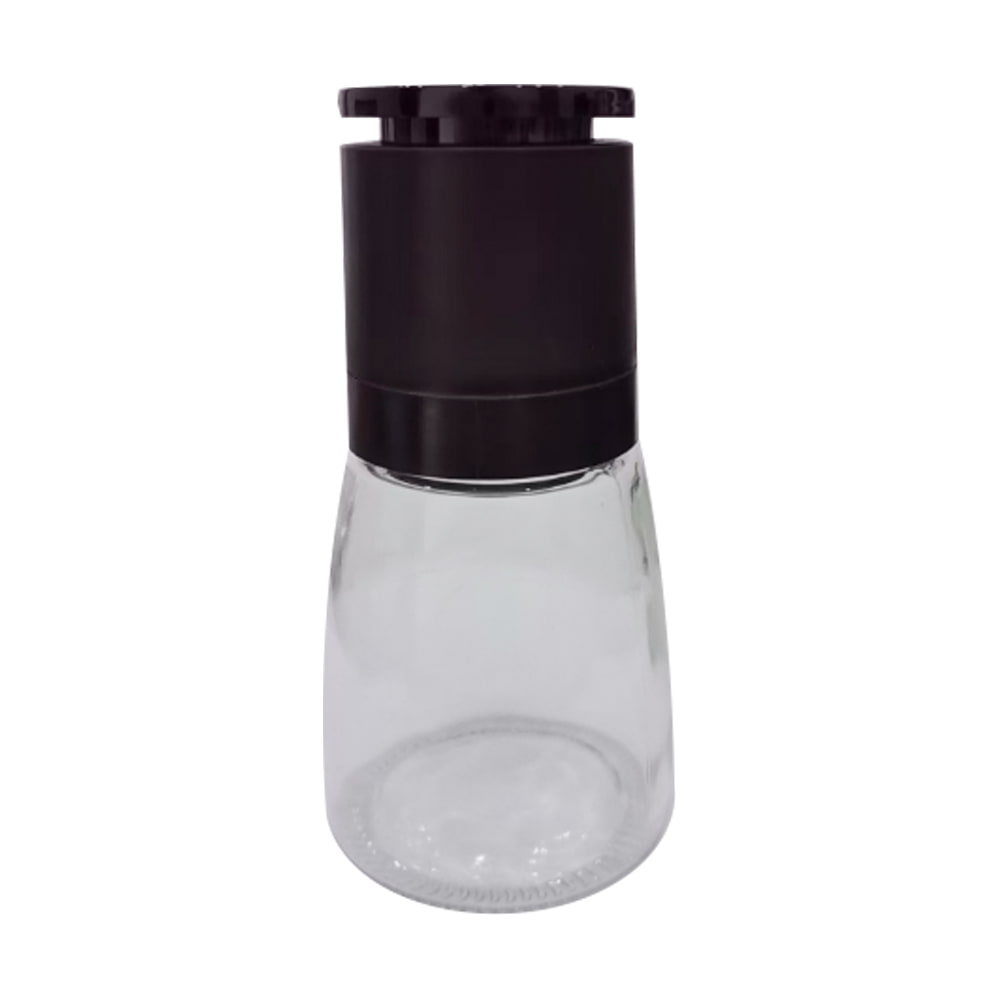 カスタム ステンレス鋼手動スパイス グラインダー サプライヤー、OEM/ODM 会社 - 揚州 揚州新座標家庭用品有限公司は、中国の OEM/ODM ステンレス鋼手動スパイス グラインダーのサプライヤーおよびカスタム ステンレス鋼手動スパイス グラインダーです。 製品を見る→
 の Regional Split: America vs Europe
米国では、ほとんどの場合、ソルトシェーカーの穴は少なくなります。その理由は健康志向です。過剰な塩分摂取は高血圧につながるため、アメリカの製造業者と家庭は、食品に付着する塩分の量を制限するために、意図的に小さな開口部を選択しました。 の fewer the holes, the slower the salt.
ヨーロッパの一部では、逆の慣習が見られます。胡椒は歴史的に希少で高価だったため、貴重な調味料を長持ちさせるために胡椒入れの穴が少なくなりました。テネシー州ガトリンバーグのソルト・アンド・ペッパー入れ博物館は、「ソルト・アンド・ペッパー入れの穴の数は文化、健康状態、好みによって異なる」と直接要約しています。 (出典: ソルト アンド ペッパー シェイカー ミュージアム、「よくある質問」。)
の "longer word" argument
のre is also a folk mnemonic: pepper is a longer word than salt, so pepper gets more holes. St. Louis Magazine's food column "Ask George" records this exact argument from readers: "There are more holes for pepper, because pepper is a longer word than salt." It is a convenient memory aid, but it works only on sets made in the American tradition. On European sets, the mnemonic leads you to the wrong answer, which is why you should never rely on hole count alone.
どのシェーカーがどれであるかを見分ける方法
の most reliable indicator is not the number of holes but the letters printed or engraved on the cap or body. A "S" means salt, a "P" means pepper, and that is the end of the debate. When the set has no letters, use the table below to rank the common identification methods.
| 方法 | 何を探すべきか | 信頼性 |
|---|---|---|
| 文字SとP | キャップまたは側面に彫刻、印刷、またはエンボス加工が施されています | 高 |
| 穴を数える | アメリカのセットでは通常、穴が少ないということは塩分を意味します。多くのヨーロッパのセットは逆になります | 中 |
| 充填時の重量 | の filled salt shaker feels noticeably heavier because salt is denser | 中 |
| テーブル上の位置 | 古典的なエチケットでは、コショウは右側、塩は左側に置かれます | 低い |
| 色と形 | 白い体や短い体は塩を意味することがよくあります。濃い色または背の高い体はコショウを意味することが多い | 低い |
セットにまったくマークがなく、穴数が同じであれば、最も簡単なチェックはちょっとした味見テストです。数粒を手のひらに置き、舌で触れてください。塩の味は鋭く、すぐにそれと認識できます。コショウは暖かさと軽い火傷をもたらします。味は常に推測に勝ります。
ルールに違反する一般的な例外
の "pepper has more holes" rule is a strong default, but it is not a law. Restaurants, vintage sets, and modern custom designs all produce exceptions. Knowing them prevents you from guessing wrong at someone else's table.
- 単穴のダイナーシェーカーは通常ソルトです。アメリカのダイナーの多くは、料理人がサービス中に塩を素早く注げるように、小さな注ぎ口が付いた 1 つ穴のキャップを使用しています。
- グラインダーには穴がまったくありません。丸ごとのコショウと粗海塩は必要に応じて粉砕されるため、流れの問題が完全に解消されます。
- カジュアルなレストランのセットには、両方のキャップに同じ 3 つの穴が付いていることがよくあります。伝統よりもスピードとシンプルさが重要です。
- ヴィンテージのヨーロッパのセットでは、胡椒に 1 つまたは 2 つの穴を与え、塩を 3 つまたは 4 つ与えて、かつては高価だった胡椒を保護することがあります。
- 粗塩セットは、フレーク状の塩や粗塩は物理的に小さな開口部を通過できないため、4 ~ 6 個の穴のキャップに塩を入れます。同じセットのペッパーキャップには穴が 2 つまたは 3 つしかない場合があります。
- カスタムおよび OEM セットには、購入者が指定する任意の穴パターンを付けることができます。一部のプレミアム セットでは、見た目をすっきりさせるために、両方のシェーカーに意図的に同じキャップを使用しています。
の practical lesson: treat hole count as a default, then confirm with letters or a taste test. メーカーは、ターゲット市場や購入者が使用する予定の塩とコショウの種類に応じて、両側に 2 つの穴を持つセットを簡単に設計したり、塩側にさらに多くの穴をあけたりすることもできます。
穴の数を実際の塩とコショウに合わせます
細かい食塩には使用できるキャップでも、粗い海塩では完全に機能しない可能性があります。正しいアプローチは、固定された伝統に合わせるのではなく、シェイカーをグラインドサイズに合わせることです。
塩:結晶の大きさで選ぶ
- 細かい食卓塩: 1 ~ 2 個の穴が理想的です。ナトリウム摂取量に注意している家族のために、1 つの小さな穴が塩分の排出を制限します。
- 粗海塩またはフレーク状の塩: 結晶が詰まることなく出てくるように、より大きな直径の 3 つ以上の穴、またはスプーントップの開いたシェーカー。
- 固結防止剤を含むヨウ素添加塩は容易に流れますが、湿気の多い気候では依然として固まる可能性があります。穴が大きいと助かります。
胡椒:挽きの大きさで選ぶ
- あらかじめ挽いたコショウ: 均一で適度なカバー力を得るには、3 ~ 4 つの穴が標準的な選択です。
- ステーキやグリル用の粗挽きコショウ: 大きな不規則な破片が小さな開口部をすぐに塞いでしまうため、5 つ以上の穴があります。
- 丸ごとコショウ: グラインダーを使用する場合はキャップ穴は必要ありません。粉砕機構が流れの働きをします。
具体的な例: あらかじめ挽いたコショウを使って料理をしていて、塩分を減らしたい家族は、4 穴のペッパー キャップと 1 穴のソルト キャップを購入する必要があります。ステーキを提供し、粗塩を使用するレストランでは、論理を逆にする必要があります。塩には 4 穴のキャップを付け、コショウは 3 穴のキャップで細かく挽いてください。 の correct answer depends on what you actually pour, not on the label tradition.
塩とコショウの保存: 光、湿気、蓋の選択
塩は吸湿性があり、空気中の水分を引き込んで固まり、慎重に選んだ小さな穴を通って流れることを拒否します。コショウには逆の脆弱性があります。その香りは揮発性の油から来ており、光や空気にさらされるとすぐに消えてしまいます。そのため、保存容器はシェーカーのキャップと同じくらい重要です。
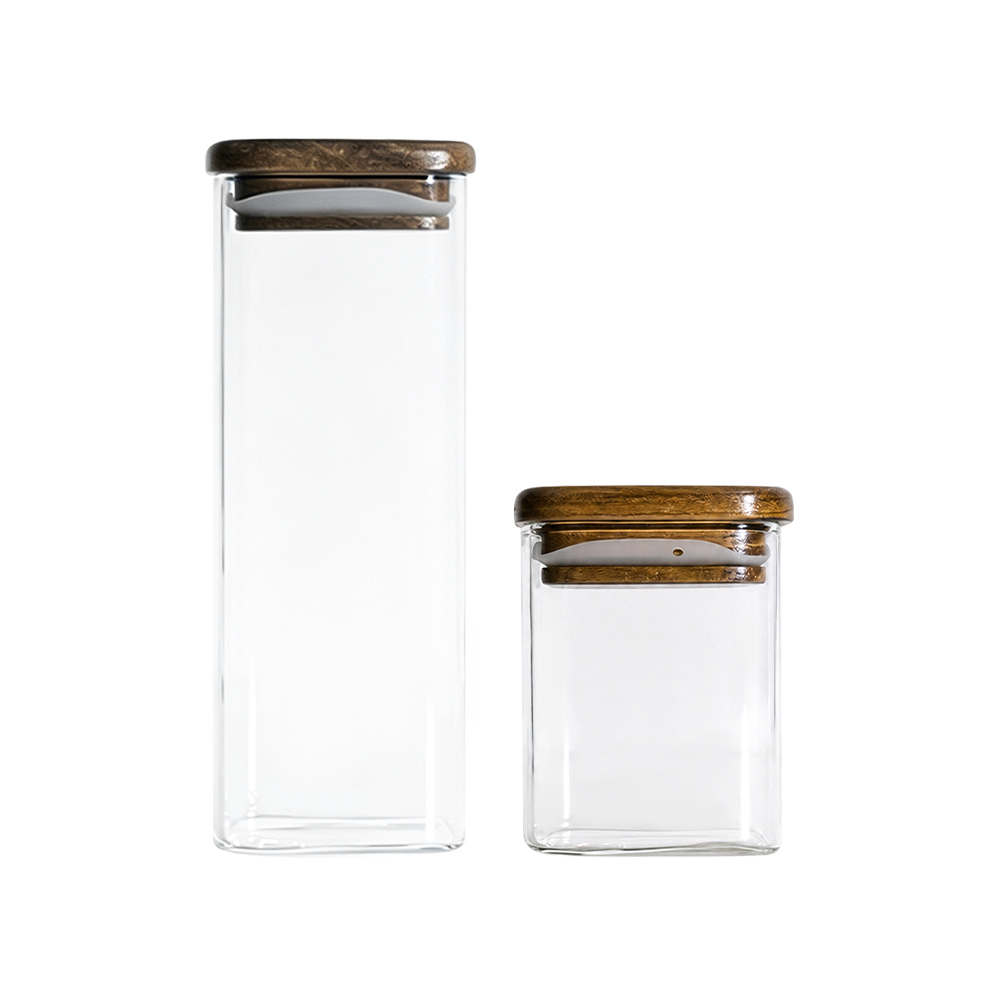
気密性の高いガラス瓶は、ビニール袋や開いたボウルよりもスパイスを湿気や光から守ります。キッチンでガラスが他の素材よりも優れている理由を詳しく知りたい場合は、 ガラス保存瓶の利点 .
スパイスをまとめ買いした場合は、紙パックのままではなく、しっかりと蓋がついた個別の容器に移してください。あ ガラススパイス瓶セット 各スパイスを目に見えるようにし、ラベルを付け、密封することで、塩は乾いた状態に保たれ、コショウのパンチは何週間も長持ちします。
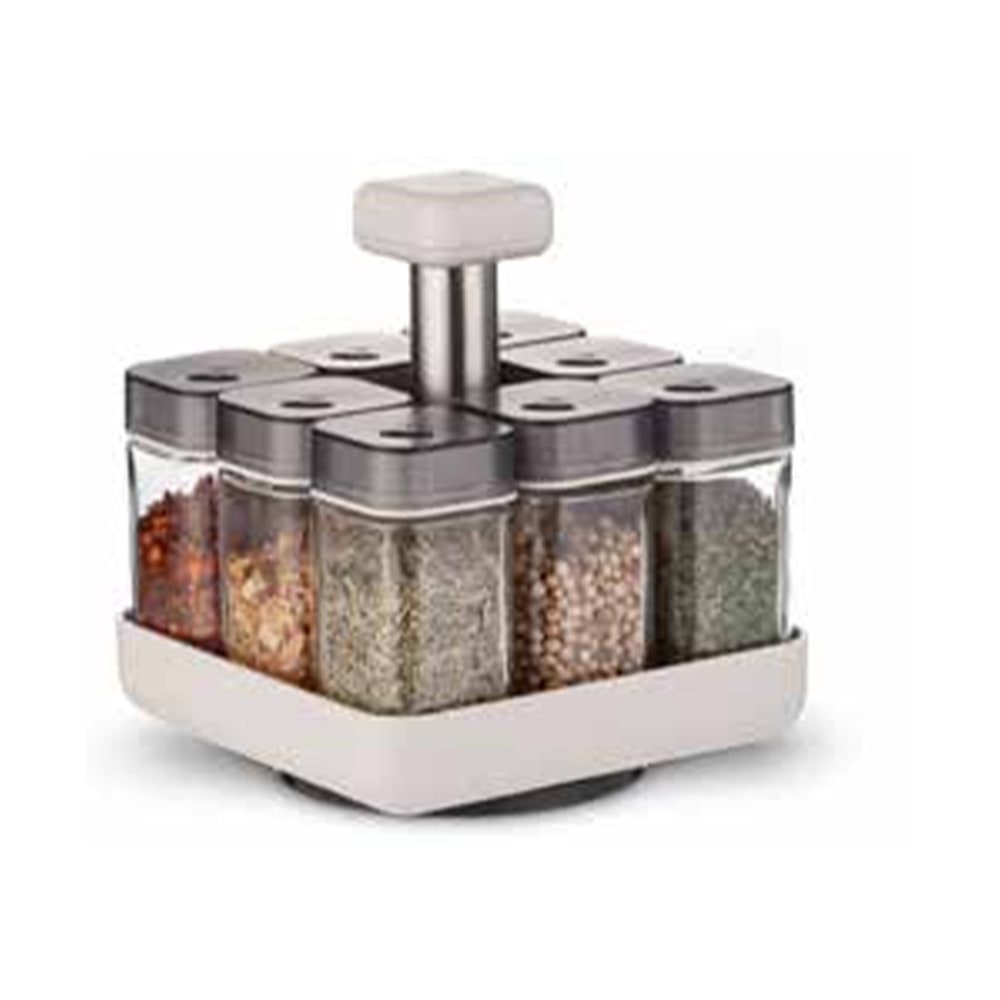 カスタム ガラス スパイス ジャー セット サプライヤー、OEM/ODM 会社 - 揚州 新しいコーディネート 揚州新座標家庭用品有限公司は、中国の OEM/ODM ガラス スパイス ジャー セット サプライヤーおよびカスタム ガラス スパイス ジャー セット会社です。 製品を見る→
 ソルト&ペッパーセットを購入する場合、最初に確認すべきこと
キッチン用に 1 セットを購入する場合でも、小売用に数百セットを調達する場合でも、同じチェックリストが適用されます。まずはキャップから始めます。穴の数、直径、詰め替えのためにキャップを取り外すことができるかどうかを確認します。次に、キャップとガラス本体の間のシールを確認します。キャップが緩んでいると湿気が侵入し、塊が穴に直接送られます。
一目で分かる材質比較
| 材質 | 強み | こんな方に最適 |
|---|---|---|
| ホウケイ酸ガラスボディ | 耐熱衝撃性、透明、食器洗い機対応、無臭 | 毎日の使用と繰り返しの洗濯 |
| ソーダライムガラスボディ | 低いer cost, sturdy, widely available | 予算に優しいテーブルセット |
| ステンレス製キャップ | 錆びない、耐久性があり、掃除が簡単 | 湿気の多い厨房や業務用 |
の cap pattern can also be customized. If you are sourcing for a brand, you can specify a single-hole salt cap, a five-hole pepper cap, engraved letters, or a completely unmarked set. Our ガラス製調味料入れ 実用的な出発点は、透明なホウケイ酸塩本体、ステンレス鋼のキャップ、標準的な食卓塩とあらかじめ挽いたコショウに適した穴のパターンです。
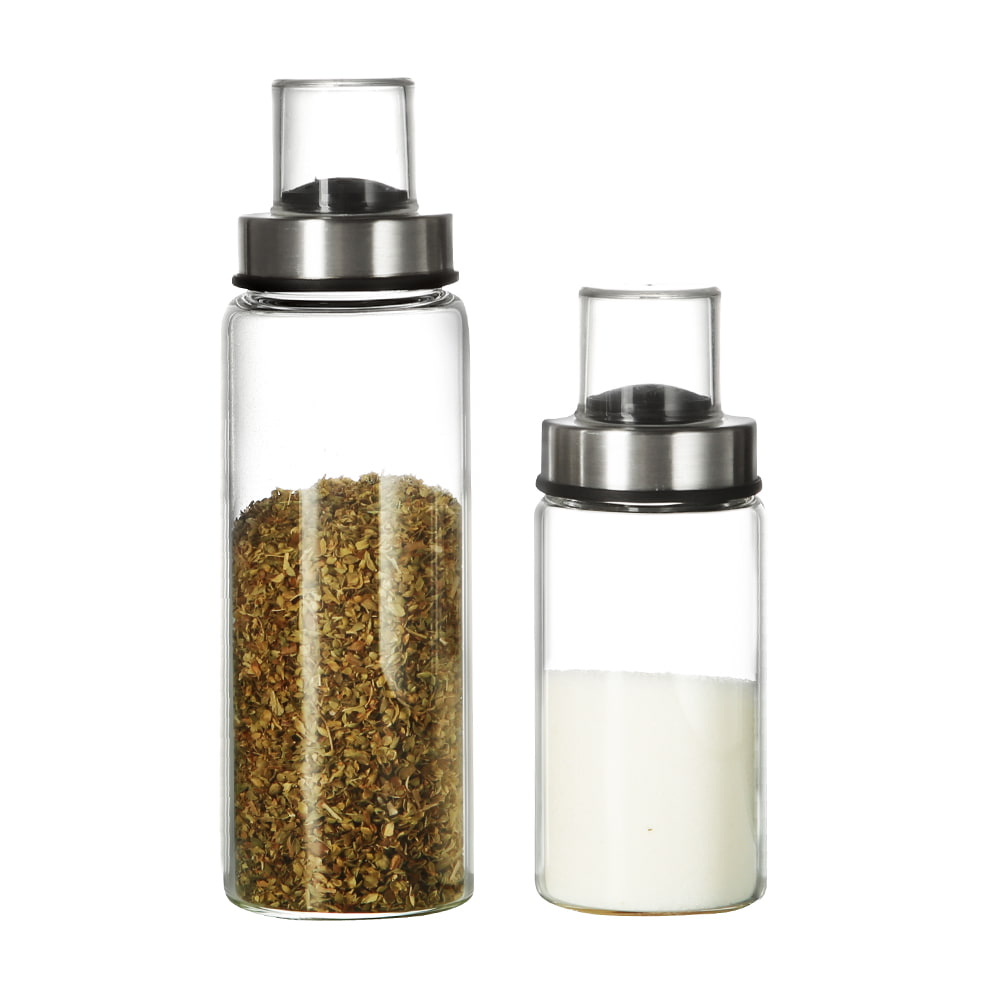 カスタムガラス調味料シェーカーサプライヤー、OEM/ODM会社 - 揚州New Coordin 揚州新座標家庭用品有限公司は、中国の OEM/ODM ガラス調味料シェーカー サプライヤーおよびカスタム ガラス調味料シェーカーです。 製品を見る→
 調味料容器を注文する際に確認すべきことの完全な手順については、当社の記事をお読みください。 包括的な調味料瓶ガイド 。キャップの種類、ガラスの厚さ、密閉性能、および防水と気密の主張に関して購入者が犯す間違いについて説明します。特定の穴数やカスタム彫刻が必要な場合は、 私たちのチームに連絡してください 図面と目標数量を入力してください。
よくある質問
1. 塩とコショウではどちらのシェーカーに穴が多いですか?
従来の北米のセットでは、ペッパーシェーカーにはより多くの穴があり、塩の場合は 1 つまたは 2 つであるのに対し、通常は 3 つから 5 つです。多くのヨーロッパのセットではパターンが逆になっているため、仮定する前に S と P の文字を確認してください。
2. なぜペッパーシェーカーにはソルトシェーカーよりも多くの穴があるのですか?
挽いたコショウは塩よりも粗く、軽く、不規則です。粒子は小さな開口部に橋を架け、流れを止めます。穴が増えるとコショウの逃げ道が増え、均一にふりかけることができます。塩は細かくて重いので、たった一つの小さな穴からはどうしようもなく流れ出てしまいます。
3. ソルトシェーカーにはなぜ穴が 3 つあるのですか?
3 穴のソルト キャップは通常、次の 3 つのいずれかを意味します。つまり、より広い開口部が必要な粗塩を使用していること、塩に多くの穴が開けられるヨーロッパの伝統に従ってセットが作られたこと、またはセットが両方のシェイカーに同じキャップを使用していることです。刻印された文字を確認してください。
4. ソルトシェイカーには何個の穴が必要ですか?
塩にもよるけどね。きめの細かい食卓塩は、1 ~ 2 つの穴に最適です。粗い海塩やフレーク状の塩には、大きな結晶が詰まらないように、3 つ以上の穴、または広く開いたスプーンの上部が必要です。塩分摂取量を減らしたい場合は、穴数の小さいものをお選びください。
5. 塩とコショウの両方に同じシェーカーを使用できますか?
はい、ただし、切り替える前に完全に掃除して乾燥させてください。次に、穴の数をより細かい材料に合わせます。食卓塩からあらかじめ挽いたコショウに切り替える場合は、2 穴キャップが両方に使用できます。粗挽きペッパーに切り替える場合は、より大きな開口部が必要になります。
6. 文字がない場合、どのシェイカーが塩であるかをどうやって見分けることができますか?
最初に穴の数を使用します。アメリカのセットでは、穴が少ないほど塩分が多いことを意味します。両方のキャップが同一の場合は、中身を満たしたシェーカーの重量を比較します。塩は密度が高く、重く感じます。それでも不安な場合は、縁の小さな粒を味わって確認してください。
この記事で使用されているソース
- Wikipedia、「塩コショウ入れ」(歴史と使い方、塩とコショウの区別)。
- の Salt and Pepper Shaker Museum, "The most asked question".
- セントルイス・マガジン、「ジョージに聞いてください:塩とコショウ、どちらの調味料シェーカーに最も多くの穴があるべきですか?」
推奨製品



- お問い合わせ
-
-
 中国江蘇省宝応県西安豊鎮水晶大道7号
 -
 WhatsApp:
+86-15005252638 -
 +86-15005252638
+86-18083766162
+86-15895746638
+86-0514-8866-8898
-
 julia@nchousewares.com
jack@nchousewares.com
joy@nchousewares.com
-
- お問い合わせ

